Posted On: November 6, 2026
Winter-Ready: How to Protect Your Property, People and Drivers This Season
Winter shows up the same way every year: an icy sidewalk, a snow-covered parking lot, a dark morning commute. For businesses that serve patients, residents, members and communities, those everyday hazards can quickly turn into injuries, claims and disruptions.
Most winter losses can be prevented. The key is to plan ahead, stay alert while the weather is bad and follow up once the season ends. Here's how to protect your business at each stage.
Before Winter: Prepare
The work you do now has the biggest effect on how your business handles the season.
Property
-
Make a snow and ice removal plan. Decide who clears walkways, entrances, ramps and parking lots, when they do it and how often. If you use a contractor, review the contract for response times and confirm they carry their own insurance.
-
Protect the building. Insulate exposed pipes, clean gutters, inspect the roof and service heating systems.
-
Improve lighting. Replace burned-out bulbs and add lighting to parking areas, walkways and entrances.
-
Plan for outages. Test generators. Have a backup plan for temperature-sensitive equipment and medications, and for residents or patients who depend on powered medical devices.
-
Stock up. Keep ice melt, shovels, absorbent entry mats and wet-floor signs on hand before the first storm.
Employees
-
Set a clear weather policy. Decide in advance how you'll handle closures, delayed openings and remote work, and how you'll communicate those decisions.
-
Train your team. Review safe walking on ice, how to recognize cold stress and safe snow removal practices.
-
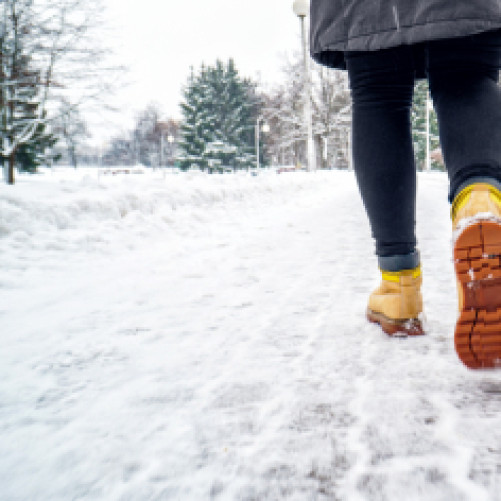
Encourage proper gear. Slip-resistant footwear, traction cleats and warm, layered clothing are essential for delivery staff, maintenance crews and home care workers.
Drivers and Fleet
-
Winterize every vehicle. Check tires, brakes, batteries, wipers, fluids and lights.
-
Stock emergency kits. Include an ice scraper, a shovel, sand or kitty litter for traction, jumper cables, blankets, a flashlight, water, snacks and a phone charger.
-
Refresh driver training. Review winter driving habits and your policies for delaying or canceling trips.
Coverage
-
Review your insurance before the season starts. Confirm that your general liability, commercial auto, property and business income, and workers' compensation coverage match your winter exposures.
During Winter: Stay Alert
Once the cold weather arrives, the focus shifts to staying consistent and keeping people informed.
Property
-
Clear and treat surfaces promptly. Clear and treat walkways, entrances and parking areas before opening and throughout the day as conditions change.
-
Keep records. Note when areas were cleared and treated. If a slip-and-fall claim comes up, dated maintenance records can make a big difference in your defense.
-
Check entryways often. Replace saturated mats, wipe up pooled water and keep wet-floor signs in place.
-
Watch for building risks. Keep the heat at a steady temperature in unoccupied areas, and watch for ice dams, icicles and heavy snow buildup on roofs.
Employees
-
Communicate early. Share weather updates, closures and schedule changes as soon as you know them.
-
Prevent cold stress. Give outdoor workers regular breaks in a warm space and watch for signs of frostbite and hypothermia.
-
Pace snow removal. Shoveling is strenuous. Encourage frequent breaks and proper lifting.
-
Don't pressure anyone into unsafe travel. No employee should feel they have to make a dangerous trip to work or to a home visit.
Drivers and Fleet
-
Drive for the conditions. Slow down, increase following distance, brake gently and stay off the phone. Four-wheel drive helps a vehicle get moving, but it doesn't help it stop.
-
Build flexibility into schedules. Rushed drivers take risks. Allow extra time for routes and visits, and let drivers delay or reschedule when conditions are dangerous.
-
Use check-ins. Have drivers and home visit staff check in when they leave and arrive, especially in rural areas or during storms.
-
Secure every load. Equipment that shifts on icy roads can cause accidents or damage.
-
Report incidents right away. Make sure drivers know exactly what to do and who to call after an accident.
After Winter: Recover and Review
When the snow melts, a new set of risks appears. This is also the best time to learn from the season.
Property
-
Inspect for damage. Check roofs, gutters, siding and foundations for damage from ice, snow and freeze-thaw cycles.
-
Look for water issues. Watch for leaks, standing water, mold and pipe damage, especially in areas that are rarely used.
-
Repair outdoor surfaces. Fix potholes, cracked sidewalks and uneven pavement before they cause trip-and-fall injuries.
-
Clean up. Sweep away leftover salt and sand, which can create slippery surfaces and damage flooring.
Employees
-
Debrief with your team. Ask what worked and what didn't, from communication to snow removal to scheduling.
-
Review injuries and near misses. Look for patterns in when, where and how incidents happened.
-
Support injured employees. Keep in touch with anyone who was hurt this season and help with a safe return to work.
Drivers and Fleet
-
Service your vehicles. Wash undercarriages to remove salt, and check tires, brakes, alignment and suspension for damage from potholes and rough roads.
-
Restock emergency kits. Replace anything that was used or has expired.
-
Review driving incidents. Use accidents, close calls and driver feedback to improve training for next year.
Coverage
-
Report claims promptly. Report any damage or incidents from the season as soon as possible.
-
Update your plan. Use what you learned to update your winter plan and talk with your insurance partner about any coverage gaps you found.
We're Here to Help You Stay Ready
Winter is predictable. Losses don't have to be. At VGM Insurance, we live in the industries we serve, and we understand the risks your business faces in every season. Contact your VGM Insurance team to review your coverage, talk through risk management resources and make sure you're protected before, during and after the storm.
VGM Insurance